A home needs attention throughout the year. The specific tasks vary by season — some things are best done in spring after winter stress, others need to happen before the cold sets in. Getting into a maintenance routine helps you catch small problems before they become expensive ones.
This checklist is organized by season. Not every item will apply to every home, and some tasks are specific to Canadian climates where temperature swings are significant. Use it as a starting point and adjust to what makes sense for your property.
Spring: Assess Winter's Impact
Spring is the right time to go through the house and yard with fresh eyes. Winter takes a toll on roofing, exterior surfaces, and drainage systems. Catching issues now gives you time to address them before summer.
Exterior Inspection
Walk the perimeter of your home and look for anything that looks different from the previous fall. Particular areas to check include:
- Roof: Look for missing shingles, lifted edges, or visible damage. You don't need to climb onto the roof — use binoculars from the ground if needed.
- Eavestroughs and downspouts: Check for sagging sections, separation from fascia, or damage from ice buildup. Make sure downspout extensions are in place to direct water away from the foundation.
- Foundation: Walk around and look for any new cracks or separation. Some minor hairline cracking is common, but wider or growing cracks deserve a closer look.
- Siding and exterior caulking: Look for cracked, missing, or pulled-away caulking around windows, doors, and penetrations. This is one of the most cost-effective things you can address.
- Driveway and walkways: Note any new cracking or heaving from frost. These can be trip hazards and should be repaired before they worsen.
Interior Spring Tasks
- Test smoke and carbon monoxide detectors. Replace batteries if they are not sealed units.
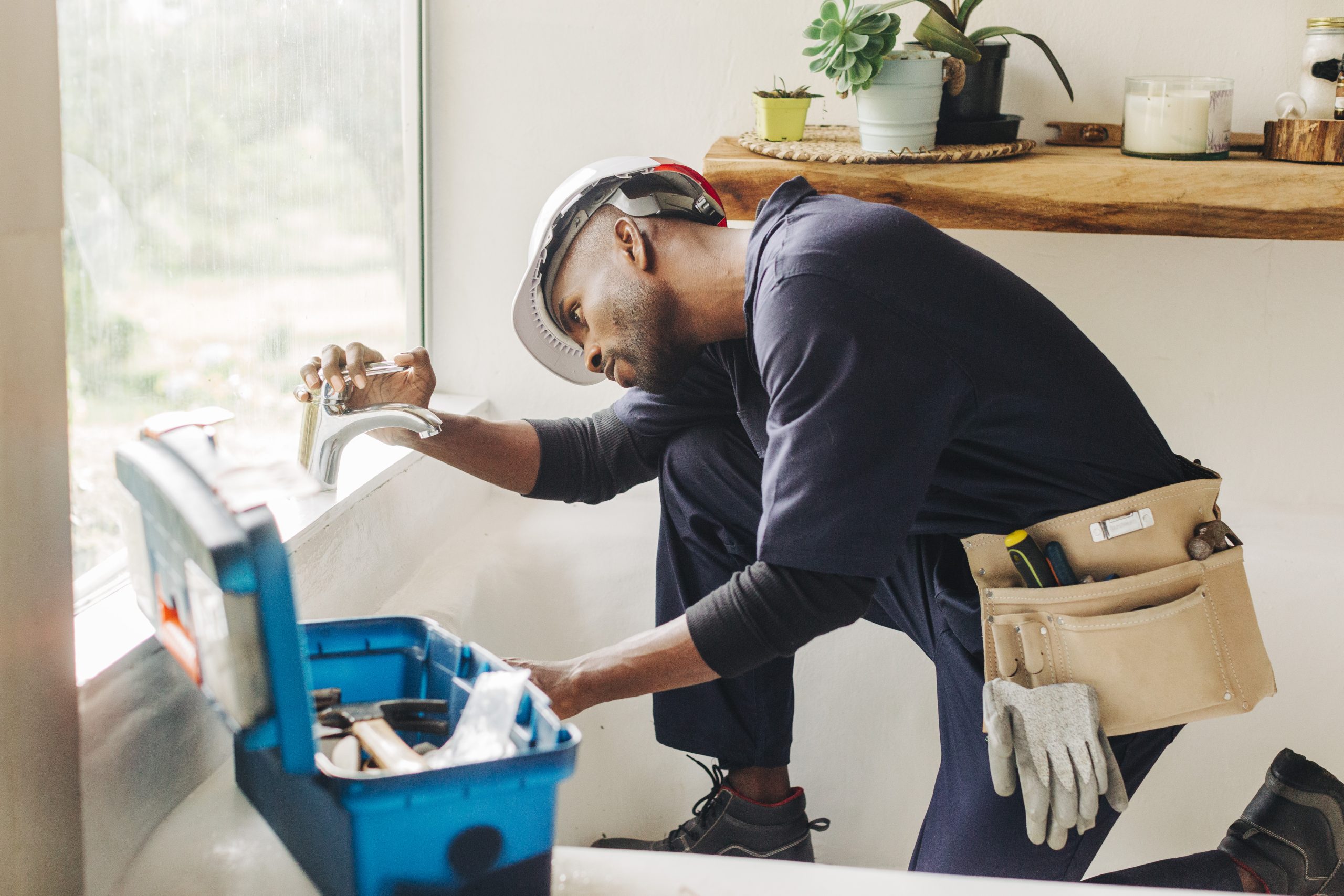
- Check under sinks and around visible plumbing for signs of moisture or slow leaks.
- Look at your furnace filter — even if it was replaced in fall, check its condition.
- Open windows and look at the condition of screens. Damaged screens should be repaired to keep insects out.
- Check that bathroom exhaust fans are functioning. These help prevent moisture buildup and mould.
Spring tip: It's worth scheduling any exterior repairs you find in spring fairly promptly. Roofing contractors and exterior maintenance companies book up quickly once the weather improves, and some issues can worsen rapidly if left through a wet spring season.
Summer: Maintain and Improve
Summer is the most practical season for outdoor work. The longer days and dry weather make it easier to tackle projects that require time and dry conditions.
Outdoor Tasks
- Deck and fence inspection: Check for loose boards, popped fasteners, rot, or structural weakness. A deck that was borderline in spring should be assessed properly before you're using it regularly.
- Clean gutters: Even if you cleaned them in fall, spring brings down a lot of debris. A clogged gutter in a summer downpour can overflow against your siding.
- Check exterior faucets: Make sure outdoor hose bibs are functioning properly and aren't leaking at the connection point.
- Landscaping and drainage: Make sure the grade around your home slopes away from the foundation. Over time, settling can reverse this.
Indoor Summer Tasks
- Have your air conditioning system serviced if you haven't done so recently.
- Check window and door weatherstripping. Summer is a good time to replace it because the adhesives bond better in warmer temperatures.
- Clean dryer vent ducts. Lint accumulation is a genuine fire hazard and most homeowners address it less often than they should.
- Check attic ventilation. Proper airflow in summer reduces heat buildup and moisture risk.
Fall: Prepare for Winter
Fall maintenance is largely about getting your home ready to handle cold temperatures, ice, snow, and heating loads. This is the season where preparation pays off most clearly — things that go unaddressed in fall often become emergencies in January.
Heating System
- Have your furnace serviced before you need it. A technician can clean it, inspect the heat exchanger, and ensure it's operating efficiently.
- Replace the furnace filter.
- Bleed your hot water radiators if you have a hydronic heating system.
- Test your thermostat early in the season, not on the first cold night when everyone else is doing the same thing.

Exterior Fall Tasks
- Disconnect and drain garden hoses. A hose left connected to an outdoor faucet can cause the pipe inside the wall to freeze and burst.
- Clear gutters after leaves fall. If they're full going into winter, ice dams become far more likely.
- Check weatherstripping and door sweeps on all exterior doors and replace anything that's worn.
- Insulate exposed pipes in unheated spaces like the garage or crawl space.
- Check roof condition one more time before snow arrives, while it's still safe and practical to do so.
Winter: Monitor and Respond
Winter in BC, particularly in the north, involves significant cold, snow loads, and heating demands. The main focus in winter is monitoring rather than maintenance — but there are a few active tasks.
Winter Monitoring
- Check for ice dams on the roof after significant snowfall. Ice dams form when heat escapes through the roof, melts snow, and the water refreezes at the cold eaves. Left unaddressed, they can cause water to back up under shingles.
- Monitor your heating bill. An unexpected spike can indicate the system is working harder due to insulation or air sealing issues.
- Keep an eye on any pipes in unheated spaces during cold snaps. If you're leaving for an extended period, never set your thermostat below 15°C.
- Check window seals for condensation forming between panes — this indicates seal failure and heat loss.
Safety Checks
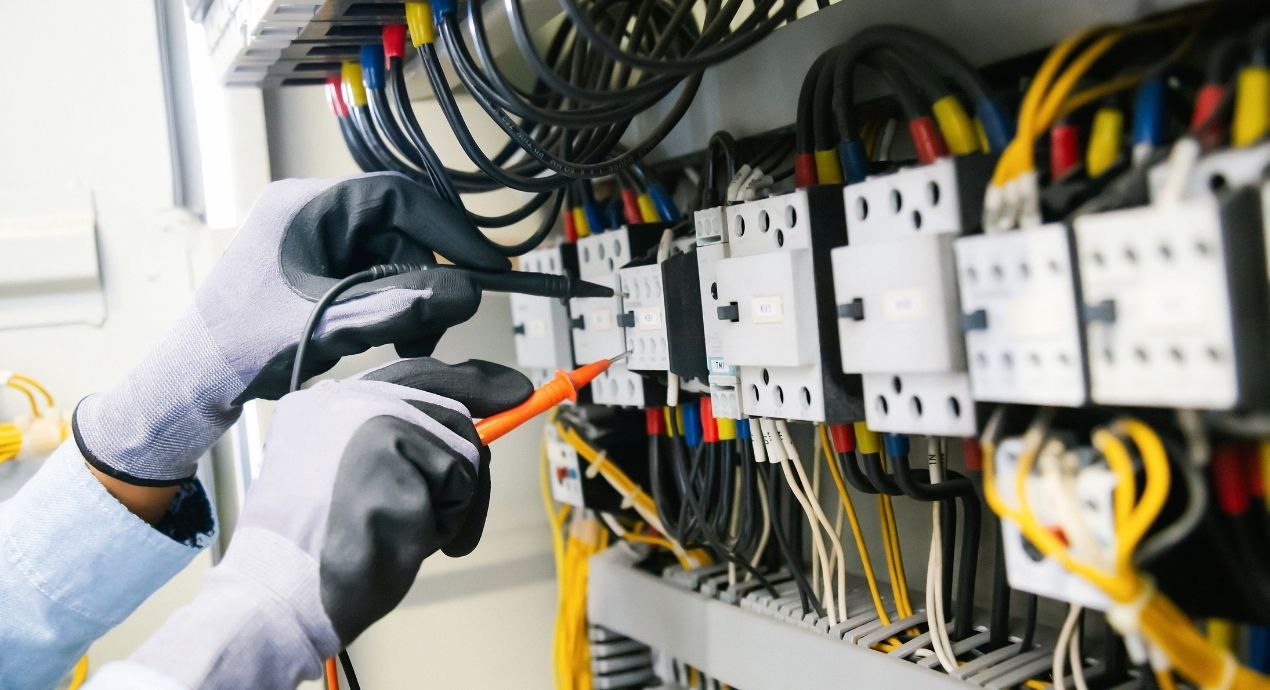
- Keep a clear path to your electrical panel and shutoff valves.
- Test smoke and CO detectors once a month. Heating season increases the risk of carbon monoxide incidents.
- Keep snow and ice clear from dryer vents and exhaust flues to prevent blockages.
Year-Round Habits Worth Developing
Beyond seasonal tasks, a few habits maintained throughout the year make a noticeable difference in how a home holds up.
- Address small repairs promptly. A sticking door, a slow drip, or a small crack in caulking — these are easy to fix when caught early and more disruptive if left alone.
- Keep a simple home log. Note when major systems were serviced, when repairs were done, and what you observed during seasonal inspections. This information is useful for tracking recurring issues and is valuable when selling.
- Know where your shutoffs are. Water main, individual fixture shutoffs, electrical panel, and gas shutoff if applicable. In an emergency, finding these quickly matters.
Not sure what you're looking at? If you find something during a seasonal inspection and aren't certain whether it's worth addressing, a quick call or message to a repair professional can save you from either ignoring something that matters or worrying about something that doesn't.
Regular maintenance isn't about perfection — it's about reasonable, consistent attention. Homeowners who go through their property a couple of times a year and address what they find in a timely way generally spend less on repairs over time than those who wait until problems become unavoidable.